
Take Indian Agricultural Businesses to Global Markets.
LGS helps agricultural producers, processors and exporters enter and grow in international markets — from opportunity to execution. Market intelligence, buyer development and trade execution — built around your growth.
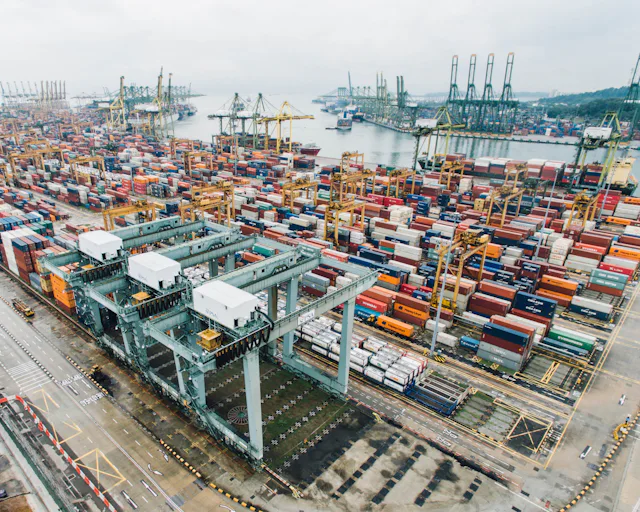

Build a Stronger Path From Agricultural Products to Global Markets
LGS brings market intelligence, buyer development and export readiness together, helping clients evaluate opportunities and enter international markets with a coordinated plan rather than a single overseas contact. That plan runs from identifying the right markets and buyers through documentation, compliance and logistics, so a business builds a repeatable trade relationship rather than a one-off shipment — aligned with APEDA's own emphasis on market intelligence, documentation and buyer development.
Comprehensive Agro Export & International Trade Solutions
International Market Research
Identify attractive export markets using demand trends, market size, competition and pricing conditions.
Market Entry Strategy
Market-entry strategies for Indian agricultural products based on target countries and regulatory considerations.
International Buyer Identification
Identify and develop relationships with importers, distributors, wholesalers and institutional buyers.
Agricultural Sourcing & Supplier Development
Structured sourcing strategies emphasising product specifications, consistency and supply capability.
Export Documentation & Compliance
Support for documentation workflows and compliance requirements relevant to product and destination.
Quality & Market Readiness
Understand destination-market expectations on quality, packaging, labelling and traceability.
International Trade & Logistics Coordination
Coordinate freight, shipment planning, warehousing, packaging and customs interfaces.
Trade Growth & Distribution Strategy
Develop repeat international business through distributors and long-term commercial relationships.
Built for Businesses Looking to Grow Beyond Domestic Markets

Agricultural Producers
Build a structured route from production to international markets.

Food & Agro Processors
Identify market opportunities for processed agricultural and food products.

Agri Exporters
Expand into new countries, buyer segments and international channels.

Farmer Producer Organisations
Explore structured opportunities to connect organised supply with global demand.

Commodity Traders
Evaluate sourcing, market and cross-border trading opportunities.

Agribusinesses
Develop international expansion strategies around agricultural products.

Institutional & B2B Buyers
Explore structured sourcing opportunities from Indian agricultural supply chains.

International Businesses
Identify Indian agricultural products, suppliers and trade opportunities.
From Market Opportunity to Trade Execution

Discover
Where should you sell? Market intelligence, demand analysis, country screening and opportunity identification.
Validate
Can your product compete? Product suitability, pricing, quality expectations and export readiness.
Connect
Who should you sell to? Buyer identification, distributor development and business relationships.
Execute
How does the transaction work? Documentation, compliance and logistics coordination.




Data-Driven Agricultural Market Intelligence
Export decisions shouldn't be based solely on assumptions about which countries "buy Indian products." LGS structures market research around real, checkable factors.
Import Demand & Market Size
Historical trade trends and category-level demand.
Competitor Presence & Pricing
Who else is supplying, and at what price point.
Destination Regulations
Country-specific requirements, tariffs and trade rules.
Buyer Segments & Channels
Distribution structure and how buyers actually procure.
Seasonal Demand & Supply
Timing considerations affecting price and availability.
Market-Entry Barriers
What genuinely stands between you and that market.
APEDA's AgriXchange platform itself provides information on export destinations, products, trade trends, market insights, regulations and tariffs — demonstrating the importance of evidence-based market evaluation in agricultural trade.
Is Your Business Ready for International Agricultural Trade?
Before entering a market, we assess these commercial and operational considerations together.
That means checking product fit for the target market, whether quality and testing expectations can be met, and whether packaging meets market and transportation requirements. It means confirming the compliance registrations, certifications and destination requirements that apply, and whether supply can be sustained at the required quantity and quality. And it means testing whether pricing stays competitive after logistics and other costs, whether the required documentation — trade and shipment paperwork — is in place, and whether logistics can get the product to its destination safely and on time.

Connecting Indian Agricultural Opportunities With Global Markets
- India
- Market Assessment
- Export Readiness
- Buyer Development
- Trade Execution
- Global Markets
Shown as potential market categories, not a claim that LGS currently serves every listed region — reach is assessed per engagement.

International Trade Compliance Without the Guesswork
Agricultural exports can involve multiple regulatory and documentation requirements depending on the product and destination. Our advisory framework considers IEC & Export Readiness, the foundational registration most exporters need in place; APEDA & RCMC Requirements, coordinated with the relevant authority where applicable; and Certificates of Origin confirming where the product was produced. It also covers Phytosanitary & Health Certificates, product-specific certification coordinated with authorised bodies; Testing, Labelling & Food Safety, the destination market's own requirements for product and packaging; and Customs & Traceability, the documentation supporting customs clearance and traceability.
Our Agro Export & International Trade Process

Understand
Your product, supply capability and export ambitions.
Research
Potential markets, demand, competition and entry considerations.
Assess
Export readiness, commercial viability and compliance considerations.
Connect
International buyer and distributor development opportunities.
Execute
Commercial, documentation, compliance and logistics workflow.

Expand
Opportunities for repeat trade and additional markets.
Why Choose LGS for Agro Export & International Trade
One Team, From Market to Buyer
Market intelligence, documentation and buyer development run through the same team, not separate vendors handed off between each other.
Compliance-First, Not Compliance-Later
Documentation and regulatory requirements are built into the plan from the first conversation, not fixed after a shipment is already delayed.
Real Buyer Relationships, Not a Contact List
Buyer development is relationship-led, built toward repeat orders, not a one-off introduction that ends once the first shipment clears.
India & Global Market Fluency
Market intelligence and documentation practice aligned with APEDA's own emphasis, built for exporters operating across the destination markets that matter to them.
Questions, before you reach out
What are agro export and international trade solutions?
Agro export and international trade solutions cover the strategic, commercial and operational activities involved in taking agricultural products into international markets, including market research, buyer development, sourcing, export readiness, documentation, compliance, logistics and trade execution.
How can an agricultural business start exporting from India?
An agricultural business should first assess product-market fit, export readiness, applicable registrations and documentation, destination-market requirements, sourcing capability, pricing and logistics before beginning international sales.
What is agricultural export consultancy?
Agricultural export consultancy helps businesses evaluate international market opportunities, develop export strategies, understand regulatory requirements, identify potential buyers and structure the activities required for international expansion.
How do I find international buyers for agricultural products?
International buyer development can involve market research, importer and distributor identification, trade databases, industry networks, B2B channels, trade events and targeted business outreach.
What documents are required for agricultural exports from India?
Requirements vary by product and destination. Common export documentation can include commercial invoices, packing lists, certificates of origin, inspection certificates and other product- or destination-specific documents.
Show 2 more questionsShow fewer questions
What is APEDA and why is it relevant to agricultural exports?
APEDA is India's Agricultural and Processed Food Products Export Development Authority and provides export-related information, procedures, exporter resources, market intelligence and support for relevant agricultural and processed food products.
Can LGS help identify international markets for agricultural products?
Yes. LGS positions this service around market research, opportunity assessment, market-entry strategy and international business development, subject to the specific engagement.